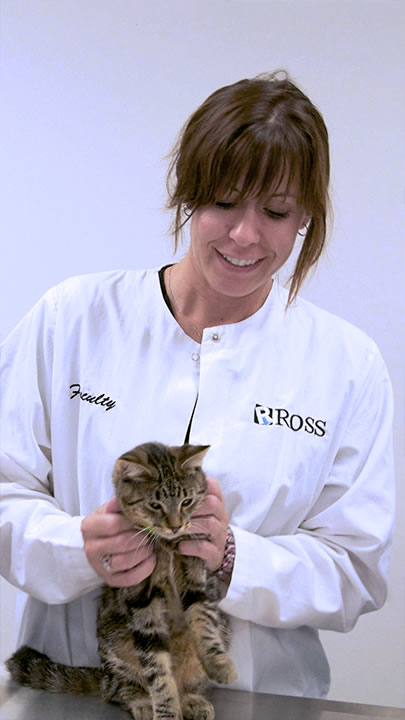
Veterinary nurses assist veterinary surgeons to care for animals. They provide a number of essential services including administering medications and injections, assisting with surgical procedures and providing client support in the veterinary practice.
How to become a veterinary nurse
There are two ways to become a veterinary care nurse. Either you complete a level 3 diploma or a degree that is accredited by RCVS. You will first learn the theory and practice of veterinary medicine before you undertake work experience. The qualifications themselves are designed to be flexible, so you can study at your own pace in the classroom or on placement with an approved training practice.
A level 3 Veterinary Nursing course typically takes one year to complete, and is ideal for anyone who wants to get into veterinary nursing quickly. It gives a great idea of what your career will be like. It will allow you to specialise and progress in different areas like anaesthesia, rehabilitation or physiotherapy.
The Veterinary Nurse qualification is assessed by workplace assessors, so it's important to choose a reputable university that offers the right programme for you. Be sure to check the requirements for entry and the time it takes to complete a qualification before applying.
What is a veterinary nurse?
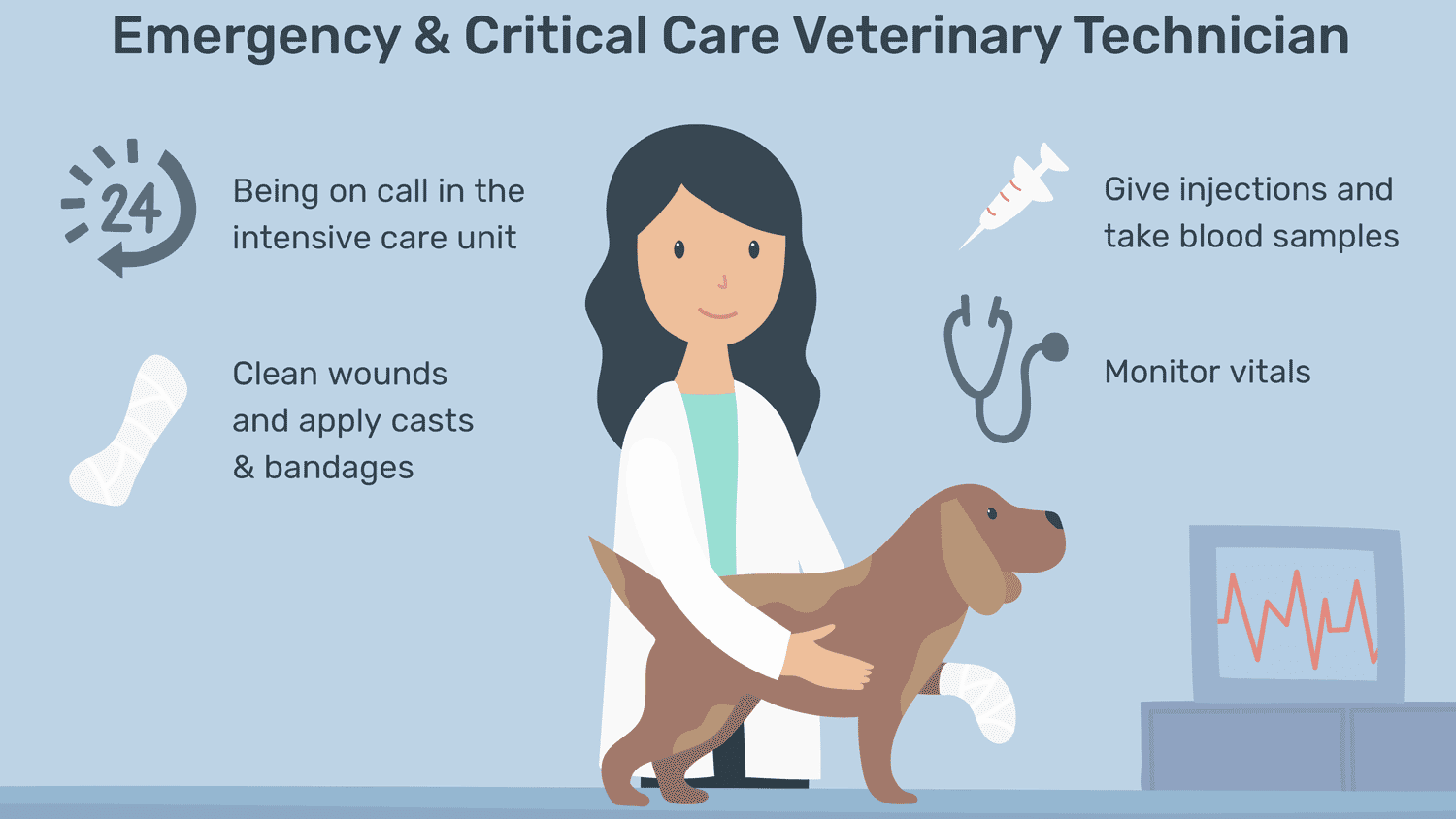
A veterinary nurse can work in a range of different settings, including private veterinary practices and referral hospitals. They may be in charge of preparing and performing examinations. Other duties include taking vitals, bandaging wounds, filling up syringes for vaccinations or sterilising veterinary equipment. They can also help with client appointments or liaise with the owner to answer their questions and ensure their pet is comfortable during their visit.
How long does it usually take to become a veterinary nurse?
Depending on your state, you may need to complete an associate's or bachelor's degree in veterinary nursing. The CVTEA reviews the schools' curriculum, admission process, and results for students.
You will likely be required to attend lectures, labs, as well as clinical rotations. These classes will teach about physiology. You will learn how to dissect small animals, giving you a great insight into their inner workings.

A veterinary nurse must have excellent communication and teamwork skills. It is important that they are able both to communicate effectively with the vet and their client. They also need to give clear and concise information to complete their task.
To be a successful veterinarian nurse, you must also have a strong sense of leadership and management. This can be shown by their ability to establish high standards within the veterinary nurse team, develop and implement protocols regarding patient care, client advice and the promotion of other nurses.
It's vital that you continue to learn after you qualify by completing your Continuing Professional Development. This includes a wide variety of activities such as attending seminars, training courses or workplace mentoring.
FAQ
What are some things to consider before purchasing an exotic pet
You should consider several factors before buying an exotic pet. First, you must decide if you will keep the animal as an exotic pet or if your intention to sell it. If you plan to keep it as a pet, make sure you have enough room. You should also know how much you plan to spend on the animal's care. Although it takes time to care and love an animal, it is well worth the effort.
You must find someone to purchase your animal if you intend to sell it. You must ensure that the person purchasing your animal knows all about taking care of them. Don't give your animal too much food. This could cause problems for your animal's health later.
If you are considering exotic pets, you should ensure that you thoroughly research them. Many websites can provide information on various species of pets. Be careful not to fall into any scams.
How often should I bathe my dog?
It is essential to groom your dog. It helps maintain his coat and keeps him clean.
Brushing your dog twice a week is a must. After each meal, brush your dog.
Brushing your dog’s fur will get rid dirt and hair. Brushing his teeth can make him look younger.
Brushing his ears regularly will prevent ear infections.
What kind should I feed my dog?
A healthy diet is essential for your dog.
There are many protein-rich foods, including chicken, beef (fish), eggs, and dairy.
Other foods high-carbohydrate include fruits, vegetables (including bread), cereals, pasta, potatoes, rice, and beans.
Lean meats, poultry and fish are all low in fat, as well as nuts, seeds, whole grains and whole grains.
Always consult your veterinarian before feeding your dog different types of foods.
What is the appropriate age for a child with a pet to get?
Children under 5 years old should not own pets. Cats and dogs are dangerous for young children.
Most children who have pets are bitten by them. This is especially true of small dogs.
Some dogs, such as pit bulls or other aggressive breeds, may be aggressive towards certain animals.
Although a dog may seem friendly, that doesn't necessarily mean that it won't attack an animal.
Make sure your dog is well-trained if it's your decision to buy a dog. And, always supervise your kid whenever she plays with the dog.
How to train a pet?
It is important to be consistent when training your dog or cat. You must make sure you are consistent in how you treat them. If they see you as mean, they will learn not to trust you. They might also start to think that all people are mean.
They will not know what to expect if you're inconsistent with your treatment. This could lead to them becoming anxious around other humans.
Positive reinforcement is the best method to teach a cat or dog. When you reward them for doing something right, they will want to repeat this behavior.
Punishing them for doing wrong things will make bad behavior more common than rewarding them.
To reinforce good behavior, treats such as toys and food are a great way to reward your efforts. Praise is a great way to reinforce good behavior.
Clickers can be used for training your pet. Clicking refers to a method where your pet taps on a button in order to let you know that he did well.
This method works because animals are able to understand that clicking signifies "good job".
When teaching your pet tricks, you should first show him the trick. After that, reward him with a treat and ask him to perform it.
Praise him when he does the right thing. Don't be too proud. Don't praise him more than once.
It's also important to set limits. Do not allow your pet's guests to jump on you. Don't let him bite strangers.
Always supervise your pet to make sure he doesn’t hurt himself.
How long should a dog stay indoors?
Dogs are curious by nature. They need to have an outlet for this curiosity. They can become destructive if they don't have an outlet. This can lead directly to destruction of property or injury to people.
When outside, dogs should be on a leash. Dogs should be kept on a leash when they are outside to prevent them from getting into trouble and allow them to explore the environment safely.
He will be bored and uninterested if you keep him indoors all day. He will be more interested in chewing furniture than other objects. His nails could grow too long and cause him to have health issues.
These negative consequences can be avoided by allowing your dog to run free at all times. You can take your dog for a walk in the neighborhood, ride in the car or to the park.
This will enable him to use his energy for something productive.
Statistics
- For example, if your policy has a 90% reimbursement rate and you've already met your deductible, your insurer would pay you 90% of the amount you paid the vet, as long as you're still below the coverage limits of your policy. (usnews.com)
- A 5% affiliation discount may apply to individuals who belong to select military, law enforcement, and service animal training organizations that have a relationship with Nationwide. (usnews.com)
- * Monthly costs are for a 1-year-old female mixed-breed dog and a male domestic shorthair cat less than a year old, respectively, in excellent health residing in Texas, with a $500 annual deductible, $5,000 annual benefit limit, and 90% reimbursement rate. (usnews.com)
- Reimbursement rates vary by insurer, but common rates range from 60% to 100% of your veterinary bill. (usnews.com)
- Monthly costs are for a one-year-old female mixed-breed dog and an under one-year-old male domestic shorthair cat, respectively, in excellent health residing in Texas, with a $500 annual deductible, $5,000 annual benefit limit, and 90% reimbursement rate. (usnews.com)
External Links
How To
How to train a pet cat
To properly train your cat, first you must understand his/her nature. Cats have complex brains. Cats are highly emotional and intelligent. You must consider your cat's personality if you want them to behave well. You need to be able to manage your cat properly.
It is important to remember cats are independent beings. It means that they do not like to be told "no." You may be angry if they tell you "no". If your cat does something wrong, don't force them to do it. It is important to show affection and love to your cat but you shouldn't treat them like a human being.
If you think that your cat has some problems, then you should try to solve them together. Talk to your cat calmly and gently. Do not yell at him/her. Don't make your cat feel bad by yelling at him/her. You cannot force your cat into eating. Sometimes your cat will not eat what you offer. When this happens, you should give him/her some treats. You should not give them too many treats as it could lead to overeating.
You should always keep your cat clean. It is important to clean your cat daily. Use a wet towel to clean off dust and dirt. Verify that your cat does not have fleas. Flea bites may cause skin irritation or allergies. Flea bites can cause skin irritation and even allergies. To get rid of them, you will need a shampoo that is specifically designed for fleas.
Cats love to be social. Cats love to spend time with their owners. You should spend quality time together with your cat. Play with him/her. Feed him/her. Cuddle him/her. These activities will make your cat smile.
You should begin training your cat as soon as possible. Your kitten should be trained by you as soon as he/she turns two weeks old. Three months is the best time to start training your cat. Your cat will be fully grown at this age and ready to learn new skills.
When you show your cat tricks you must explain every step. For example, when teaching your cat to sit down, you should show him/her the chair first. You should then say "sit" to your cat and reward it/her with a treat. You can repeat these steps until the cat understands.
Remember that cats are intelligent. They can easily figure out how to perform tasks. However, they require patience as well as persistence. Don't expect your cat to instantly master a task. Give him/her plenty of time to practice before giving up.
Don't forget cats are wild animals. Cats are curious and playful by nature. Your cat might knock things over if he/she is allowed to run free. It is important to keep your cat safe and away from other animals.