
Veterinary technicians are professionals that provide a wide range of animal care. They are responsible for basic care as well as supporting veterinarians in treatment and diagnosis. They could work in animal hospitals, laboratories, pharmaceutical companies, or clinics. These professionals are required to adhere to certain ethical standards when they work with animals.
Veterinarian technicians swear that they will practice in an ethical, professional manner. It also pledges to pursue lifelong learning. To be certified, you must take the VTNE. Professional certification is often a valuable consideration if you intend to practice in other states. Most states require entry-level applicants to pass an exam. Depending on your state, you might need to take a certain number of continuing education credit. If you want to obtain professional certification, it is recommended that you enroll in a CVTEA accredited program.
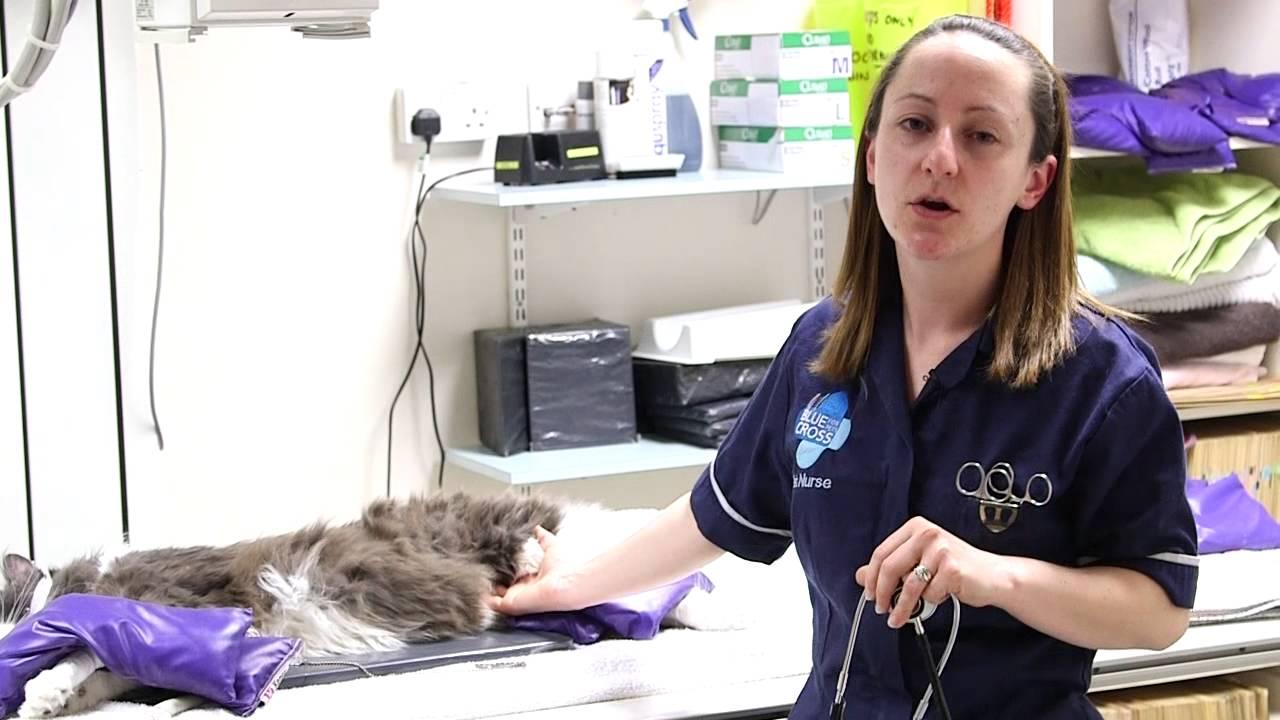
According to the Association of Veterinary Technicians in America, vet techs are responsible for the humane and hygienic treatment of animals. They help veterinarians administer vaccines, medication, and other treatments. The duties of vet techs are similar to that of nurses. As part of their duties, they must ensure that the animals are healthy, and they must prevent animal abuse. They also have to strengthen the relationships between caregivers, animals and their pets.
Employers often require a two year degree in veterinary tech. Graduates of accredited programs are eligible to sit for the VTNE, a nationally recognized test. Students should ensure that the programs they choose offer at least 60 credit hours and 240 hour(s) of on-site practicum. The program offers advanced instruction in animal anatomy and physiology as well as anesthesia. There are also externships at VCA Animal Hospitals in San Francisco and Banfield Animal Hospitals in Boston, as well as affordable payment options for full-time students.
The AVMA/CVMA drafted a Veterinary Technician Oath. Both associations believe it is vital that vet techs swear a oath of compassion and public health. Vet techs must practice ethical and professional behavior and protect client and veterinarian relationships. An exception to confidentiality is when an animal's health or condition is involved, and also to laws and the public's safety. If a veterinarian tech has a disagreement with a protocol they should discuss it with their attending vet.
Although there is no mandatory professional certification in New Jersey, it is recommended that veterinary techs pursue the certification process. You will be able to find better jobs and will have more professional recognition. Many states require professional certification to practice medicine. There are many online programs that can help you. You may still need additional training in a registered facility, even though most of these programs will be accredited.

They are an integral part of the medical industry. They can be found at veterinarians' offices and in laboratories. Due to their high-ranking in the health industry, they often earn more than their peers from other states.
FAQ
How can I tell if my dog has fleas
There are fleas that can cause your pet to scratch at its hair, lick itself too often, or look dull and untidy.
If you see any signs of redness on your pet's skin, this could also indicate an infestation by fleas.
It is important to take your pet immediately to a veterinarian for treatment.
How to train your pet
It is important to be consistent when training your dog or cat. Consistency is key when training a dog or cat. They will not trust you if you are rude or mean to them. They might start to believe that everyone is mean.
If you are inconsistent in treating them, they won't know what to expect from you. This could lead them to be anxious around other people.
Positive reinforcement is the best way to teach your cat or dog. Positive reinforcement will make your pet want to continue doing the same thing.
When they do something wrong, it is easier to punish them than reward them.
Treats such as toys or food should be used to reinforce good behavior. Give praise wherever possible.
You can use clickers to help train your pet. Clicking allows you to tap on a button and tell your pet that it was successful.
This works because the animals know that clicking is "good work".
You should show your pet how to do tricks first. Next, reward your pet by asking him to perform the trick.
When he does it correctly, give him praise. Don't praise him too much. Do not praise him more than one time.
It is also important to establish limits. It's important to set limits. Or don't allow him to bite strangers.
Make sure your pet is well-supervised so that he doesn’t harm himself.
What are my considerations before I get an exotic pet?
Before you purchase an exotic pet, you should think about these things. The first thing you need to do is decide whether you want to keep the animal as a pet or if you want to sell it for money. If you want to keep it as an animal pet, you need to ensure that there is enough space. You also need to know how much time you'll spend caring for the animal. It takes time to care for an animal, but it's worth it because they give great companionship.
If you plan to sell the animal, then you need to find someone who wants to buy it from you. Make sure the person buying your animal knows how to take care of it. Don't give your animal too much food. This could lead to other health issues later.
You should research every aspect of exotic pets before you buy them. Many websites provide information about various types of pets. Avoid falling for any scams.
How to feed a pet.
Cats and dogs eat four times per day. Breakfast is composed of dry kibble. Lunch is usually some sort of meat like chicken or beef. Dinner usually includes some kind of vegetable like broccoli or peas.
Cats have specific dietary needs. Canadian foods should be included in their diet. These include chicken, tuna fish, salmon and sardines.
You pet might also like to eat fruits and vegetables. You shouldn't give them too much. Overeating causes cats to become sick.
You should not allow your pet to drink straight from the tap. Instead, let him have water from a bowl.
Your pet should get enough exercise. Exercise helps keep his weight down. It also keeps him healthy.
Make sure that you clean the dishes after feeding your pet. This prevents your pet from ingesting harmful bacteria.
Don't forget to brush your pet regularly. Brushing your pet regularly can help remove dead skin cells that could lead to infection.
Your pet should be brushed at least twice per week. Use a soft bristle brush. A wire brush is not recommended. This can damage your pet's teeth.
Always supervise your pet when he eats. He needs to chew his food properly. He may choke on bits of bone.
Garbage cans should be kept away from your pet. This can cause health problems in your pet.
Your pet should not be left alone in an enclosed space. This includes cars, hot tubs, and boats.
What is pet insurance?
Pet Insurance provides financial protection when your pet is injured or becomes sick. It also covers routine veterinary care such as vaccinations, spaying/neutering, and microchipping.
Additional benefits include emergency treatment in the event your pet becomes ill or is involved in an accident.
There are two types to pet insurance
-
Catastrophic - This type of insurance pays for medical expenses if your cat suffers serious injuries.
-
Non-catastrophic – This type covers routine costs for veterinary care, including vaccinations, microchips or spays/neuters.
Some companies offer both non-catastrophic and catastrophic coverage. Some companies offer only one type of coverage.
These costs will be covered by a monthly premium. This amount will depend on how much you spend to care for your pet.
The cost of this insurance varies depending on what company you choose. So shop around before buying.
Many companies offer discounts for multiple policies.
You can transfer an existing pet plan from one company to another if you have it.
If you don't want to purchase pet insurance, you will have to pay all the costs yourself.
But there are still ways that you can save money. Ask your veterinarian for information about discounts.
If your pet sees you often, he may discount you.
You can also find local shelters where you can adopt a pet, rather than paying for one.
No matter which type of insurance you choose, it is important to read all the fine print.
It will tell you exactly what your coverage is worth. If you don't understand something, contact the insurer immediately.
How to Make Your Pet Smile
Pet owners often wonder about how to make their pets happy. Pet owners often buy toys, treats, or clothes for their pets. However, pets might not enjoy certain things. For example, some dogs cannot stand to wear sweaters.
You should ask your pet why they don't like the food you are buying. You might find that your pet likes different types of food than you. Maybe he doesn't like wearing shoes.
Another tip is playing games with your pet. A ball or a frisbee are good options. Throw it around the room. Or, you can throw it up in the air for him to chase. This makes you both laugh. It's also relaxing and fun.
You can also give your pet a bath every other week. A bath helps to remove dead skin cells and dirt from your pet's coat. And it keeps him smelling nice.
Also, it is important to ensure your pet's health. You should not let your pet eat junk food. You should instead feed him quality food. You should also make sure he gets plenty of exercise. Take him for a walk, or play fetch.
Your pet will appreciate spending time with the owner. In fact, pets are more comfortable being with their owners than living alone.
Finally, love your pet unconditionally. Don't yell at your pet or hit him. Be patient and kind to him. Never leave him alone.
Statistics
- A 5% affiliation discount may apply to individuals who belong to select military, law enforcement, and service animal training organizations that have a relationship with Nationwide. (usnews.com)
- For example, if your policy has a 90% reimbursement rate and you've already met your deductible, your insurer would pay you 90% of the amount you paid the vet, as long as you're still below the coverage limits of your policy. (usnews.com)
- It is estimated that the average cost per year of owning a cat or dog is about $1,000. (sspca.org)
- In fact, according to ASPCA, first-year expenses can sum up to nearly $2,000. (petplay.com)
- Reimbursement rates vary by insurer, but common rates range from 60% to 100% of your veterinary bill. (usnews.com)
External Links
How To
How to choose a name for your pet.
When adopting a pet, the name you choose for them is one of your most important decisions. Names should reflect the personality and character of your pet.
Consider how other people may refer to them. If you are going to use their name during conversation, for instance. You should also consider how you would like to be called. You might be more inclined to call yourself "dog", or "pet".
Here are some tips and tricks to help you get going.
-
Choose a name that is appropriate for your dog's breed. Look up the names associated to the breed, if you have a good idea of what it is (e.g. Labradoodle). Or ask someone who knows dogs well to suggest a name based on the breed.
-
Be aware of the meaning behind the name. Some breeds are named after people or places, while others are just nicknames. For example, the Labrador Retriever named "Rover" because he was always running!
-
Think about how you'd like to be called. Is it more fun to be called "dog" than "pet"? Are you more likely to call your dog "Puppy" than "Buddy?"
-
Remember to include the first name of your owner. It is a smart idea to give your dog a name that includes both your first and last names. However, it doesn't mean you should limit yourself to just including the names of family members. You may have your dog as a part of your extended family.
-
Keep in mind, many pets have multiple nicknames. A cat could have several names, depending on her location. While she may be called "Kitty Cat" at her home, she might go by "Molly" when visiting her friends. This is especially true if the cat lives outside. Cats often choose to adopt their name according to their surroundings.
-
Be creative There are no set rules. Just make sure that you choose something unique and memorable.
-
Be sure to check that your chosen name does not already belong in the hands of another person or organization. This way you won't accidentally take someone else's identity.
-
Don't forget that choosing a name is not an exact science. Sometimes it takes some time to decide if a name is right. Keep at it until you find the right match.