
If you love animals, you may want to consider a career as a vet tech. This job offers great pay and emotional fulfillment. It offers many opportunities for career growth and professional development.
There are many places where veterinary technicians can be found, such as private practices, animal hospitals, clinics, farms and zoos. You can specialize within areas like internal medicine or surgery. This will let you make the most of your passions.
An accredited program will give you the opportunity to get an associate's or bachelor's degree that can help you get started as a veterinarian tech. This is an affordable way to get the education you need and begin your career as a vet tech.
The vet tech degree will give you basic knowledge and skills to care for animals. It also includes advanced science. Anatomy, physiology (including anesthesia), radiology, anatomy and pharmacology are all covered in most programs. The curriculum also includes hands-on training and clinical externships, which give you the chance to put your learning into practice.
Your degree will also qualify you to work as a veterinary technician assistant, office manager, kennel assistant or a veterinarian's assistant. You can also use these credentials to secure a job as an educator at a community school, a vet technician program, or a teaching hospital.
Some vet techs become certified emergency and critical-care technicians, so they can treat animals with severe trauma. These professionals can often be found in 24 hour urgent care centers, which means they are available at all times.
Another possibility for a vet tech is to work in research, developing new medications or testing the safety of pet food. You can also find a career as a veterinary consultant, helping people with their careers in this field.
One of the best things about being a vet tech job is the fact that you can combine the rigorous science of lab testing with soft skills in patient caringtaking. The profession is growing faster than any other, making it a good choice for those who are interested in a high-growth, highly rewarding career.
Online search and contacting local animal shelters can help you find vet tech jobs. These organizations usually post job openings on their website and in printed magazines.
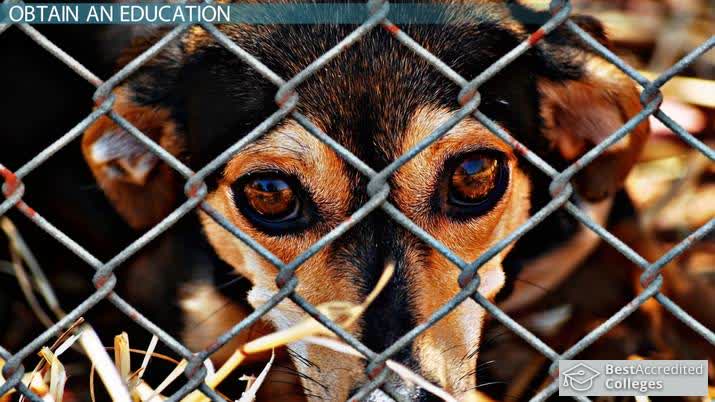
Finding a job you are passionate about is the first step to a better life. You can find the right career for you by knowing your financial and personal needs.
You may also be interested in a career with the public service if your goal is to help animals and make a difference. You can advocate for animals in distress, help them with their needs, and educate others about the welfare and health of their pets.
FAQ
What should I do if my dog bites someone?
First, make sure the animal isn't rabid if you are attacked. If that is impossible, call for help. Do not attempt your own rescue, as you might be seriously injured.
If the animal bites, but is not aggressive then you can take it to a vet clinic. Your vet will examine the animal and decide if any additional treatment is required.
Rabies shots will usually be required in most cases. These shots should not be administered by you. Only a qualified person should administer these.
What are your considerations when choosing a pet to own?
First, think about what type of lifestyle you desire for yourself and your family. Do you have kids? How many children do you have? Are they currently over 50? Are there any special dietary requirements?
Do you have allergies? Do you have any other questions about your pet?
After answering these questions, consider whether you are looking for an active companion or a calm lap dog, a house-trained pet, or a tank of tropical fish.
Adopting a puppy is a great idea. Make sure to visit a rescue or shelter group so you can get to know the animals and feel at ease with them.
You should also check to see if the animal is vaccinated for rabies and other diseases.
The owner should also be asked if the animal will be taken care of while you're away. You won't need to worry about your pet being left at home.
Pets are part of the family. You shouldn't adopt a pet unless it is a good fit for you!
What are the responsibilities for pet owners?
A pet owner must be devoted to their pet. They should provide for their basic necessities such as shelter, water, food, and clothing.
They should teach them good behavior. A pet owner should not abuse it or neglect it.
He should also be responsible enough and able to take care of it.
What are my considerations before I get an exotic pet?
You should consider several factors before buying an exotic pet. First, decide if you intend to keep the pet as a pet or sell it. If you want to keep it as an animal pet, you need to ensure that there is enough space. It is also important to estimate how much time it will take to care for the animal. It takes time to care for an animal, but it's worth it because they give great companionship.
If you are looking to sell your animal, you will need to find someone willing to buy it. You must ensure that the person purchasing your animal knows all about taking care of them. Make sure you don't feed your pet too much. This could lead to other health issues later.
It is important to research everything about exotic pets before purchasing them. Many websites have information on many species of pets. You should be careful not to fall for any scams.
How to feed a pet.
Cats and dogs consume four meals per day. Dry kibble is used for breakfast. Lunch is often some type of meat like chicken, beef or fish. Dinner is often a meal of vegetables, such as broccoli or peas.
Cats have different dietary needs. Canadian foods should be part of their diet. These can include chicken, salmon, tuna and sardines.
Your pet may also enjoy eating fruits and vegetables. You shouldn't give them too much. Cats are more likely to get sick when they eat too much.
You shouldn't allow your pet water right from the faucet. Instead, let your pet drink water from a bowl.
Make sure your pet gets enough exercise. Exercise will help him lose weight. It also keeps him healthy.
Make sure that you clean the dishes after feeding your pet. This will stop your pet getting sick from eating harmful bacteria.
Remember to brush your pet's coat regularly. Brushing helps remove dead skin cells and can lead to infection.
Your pet should be brushed at least twice per week. Use a soft bristle brush. Don't use a wire brush. This can damage your pet's teeth.
Always supervise your pet when he eats. He should chew his food well. If he does not, he might choke on bone fragments.
Your pet should not be allowed to use garbage cans. This can be harmful to your pet's overall health.
Don't leave your pet alone in an enclosed place. This includes boats, hot tubs, cars, and boats.
Statistics
- Monthly costs are for a one-year-old female mixed-breed dog and an under one-year-old male domestic shorthair cat, respectively, in excellent health residing in Texas, with a $500 annual deductible, $5,000 annual benefit limit, and 90% reimbursement rate. (usnews.com)
- It is estimated that the average cost per year of owning a cat or dog is about $1,000. (sspca.org)
- For example, if your policy has a 90% reimbursement rate and you've already met your deductible, your insurer would pay you 90% of the amount you paid the vet, as long as you're still below the coverage limits of your policy. (usnews.com)
- It's among a relatively few companies that provide policies with a full (100%) coverage option, meaning you are not responsible for any co-payment of bills. (money.com)
- Pet insurance helps pay for your pet's medical care, with many policies covering up to 90 percent of your vet bills. (money.com)
External Links
How To
How to train a pet dog
A pet dog is an animal companion who provides companionship and emotional support for its owner. It can also protect you from predators or other animals.
Pet owners must train their dog to do certain tasks, such as fetching objects, protecting against intruders, obeying orders, performing tricks, and guarding against theft.
The average training period lasts six to two years. During this time, the owner teaches the dog basic obedience skills, including how to sit, lie down, stay, come when called, walk on command, and roll over. The dog's owner will also teach it basic commands verbally and how to deal with its natural instincts.
Apart from teaching the basic behaviors to the dog, the owner should teach it to not bite other animals or people and to be respectful of strangers.