
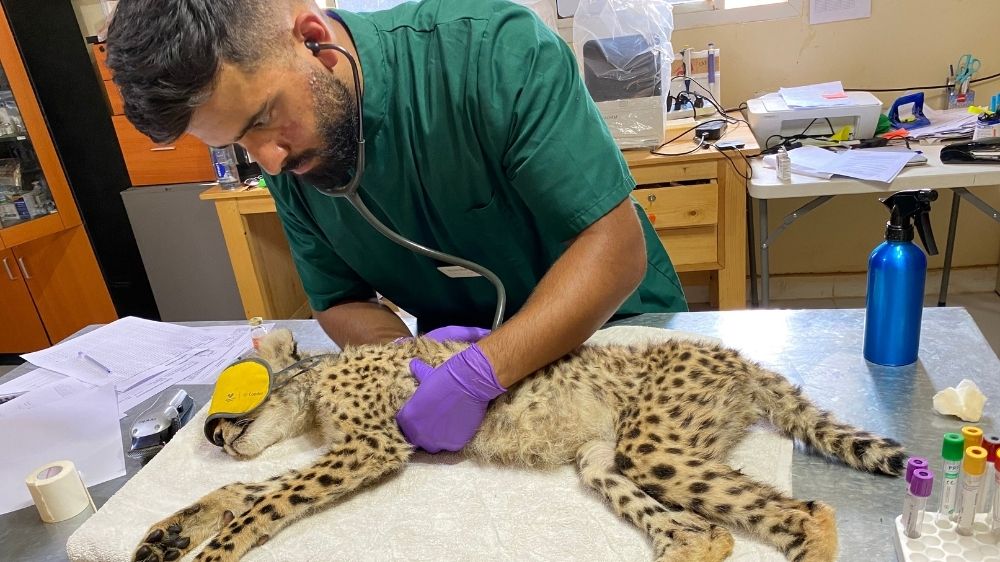
It is vital that emergency veterinary technicians save the lives of animals in urgent situations. They provide immediate nursing care under the direction of a veterinarian. The veterinary technician performs various life-saving procedures to stabilize and treat injured pets.
As a critical care and emergency veterinary technician you can make a significant impact on both the owners and patients' lives. This job requires calm under pressure as well as the ability to work in a team to stabilize pets during emergency situations. A critical and emergency vet tech can make a lot of money and have many benefits. However, becoming an emergency and critical care vet tech requires a lot of preparation.
First, you will need to be licensed to work in the state you plan to live. There are different requirements for licensure in each state. Some states have a specific number of hours that you must complete to qualify for licensing. Also, you need at least two letters to recommend your application from qualified veterinarians. There might be specific requirements for certification and training depending on where you intend to work.

Once you have your license, you can work as an emergency veterinarian tech. Employers offer health and dental insurance, vacations paid and sick days. There are many opportunities to advance. The national growth in veterinary technologist jobs is expected to be 20% between 2021 and 2031.
A variety of tasks can be performed by vet techs. These include applying bandages, dressing wounds, administering medication, and measuring vital signs. Additionally, vet techs may conduct laboratory tests to diagnose medical problems in animals. They can also assist with the execution of an animal.
A person who desires to become a critical and emergency care vet tech should have at least three year experience in a similar profession. An individual can also apply for a training program. After the completion of the training, the emergency and critically care vet tech can apply for a license. You'll need to provide a folio of 50 cases along with a treatment plan. Additionally, you'll need to take the emergency and critical care veterinary technician exam. Although the content of your exam will vary depending upon where you are taking it, you can expect topics like:
Not only can they perform the basics, but an emergency and critical-care vet tech can go on to be a veterinarian. The U.S. is expected to see a rise in veterinary technician positions as more pet owners are becoming homeowners. A veterinary technician is not only responsible for saving animals' lives but also helps their owners to feel well.
A growing number veterinary ER clinics have been able to bring in 25-30% more revenue than in previous years. According to the US Bureau of Labor Statistics, veterinary ER clinics are expected to see an average 10-12 percent increase in patient numbers over the next few years.
FAQ
Should I get a kitten or a puppy?
It really depends on who you are. Some people prefer kittens to puppies.
In general, however puppies are more active, playful, and social than cats. Kittens usually sleep a lot and are very gentle.
Both types require a lot from their owners. They will get older quickly and need to be taken care of.
You will need to take them to the vet for regular checkups. This means that you will have to spend some time with them at the vet.
What is pet assurance?
Pet insurance provides financial protection for your pet's health and safety in the event that they become injured or sick. It also covers routine vet care such as vaccinations and spaying/neutering.
Additionally, the policy covers emergency treatment for pets that are injured or become ill.
There are two types if pet insurance:
-
Catastrophic - This type of insurance pays for medical expenses if your cat suffers serious injuries.
-
Non-catastrophic: This covers routine vet costs such as microchips and spays/neuters.
Some companies offer both non-catastrophic and catastrophic coverage. Some companies offer only one type of coverage.
You will need to pay a monthly premium to cover these costs. The amount of your pet's care depends on what you spend.
This insurance will cost you differently depending on the company that you choose. Shop around before making a purchase.
If you purchase multiple policies, some companies offer discounts.
Transferring an existing pet insurance policy with another company is possible.
If you don't want to purchase pet insurance, you will have to pay all the costs yourself.
You can still save money. Ask your veterinarian for discounts.
You may be disregarded by your pet if he sees you frequently.
If you prefer to pay for a pet, there are many options.
Remember, no matter what kind of insurance you buy, you must read the fine print carefully.
It will tell you exactly what your coverage is worth. If you don't understand something, contact the insurer immediately.
Which size are cats and dogs easier to train?
Both. It all depends upon how you approach training them.
You can make them learn faster if they get treats for doing the right thing. You can ignore them if they don’t listen. They’ll eventually start to ignore your commands.
There's no right or incorrect answer. The best way to teach your cat/dog is the one you choose.
What age is appropriate for a child to have a pet?
Children under five should not have pets. Children under five years old should not own cats and dogs.
Children who own pets often get bitten by them. This is especially true for small dogs.
A few breeds of dogs, like pit bulls can be quite aggressive towards other animals.
A dog may appear friendly but it will still attack other animals.
If you decide to get a dog, make sure it is properly trained. You should also supervise your child when she is playing with the dog.
What do I do if my dog bites another person?
First, make sure the animal isn't rabid if you are attacked. If that is impossible, call for help. You could be seriously hurt if you try to manage the situation yourself.
If the pet is not aggressive but bites, it should be taken to a veterinary hospital. Your vet will examine the animal and decide if any additional treatment is required.
Rabies shots will usually be required in most cases. These should never be administered by you. This should only be done by a licensed person.
What are the things you should consider when buying a pet?
It is important to decide what kind of lifestyle and activities you would like for your family. Do you have any children? How many children do you have? How old are they now? Are there any dietary restrictions?
Do you have any allergies? Is there any additional information you need about your pet?
Once you've answered these questions, think about whether you're looking for an active companion, a quiet lap dog, a house-trained cat, or perhaps a fish tank full of tropical fish.
If you are considering adopting a puppy from a shelter, rescue group or other organization, you should meet them and make sure that you feel comfortable with them.
It is also important to check if the animal was vaccinated against other diseases and rabies.
Also, inquire about the owner's willingness to take care of your pet while you travel. This will ensure that you don't have to worry about leaving the pet alone.
You should remember that pets are a part of your family and that you should not adopt them unless you truly love them!
Statistics
- It's among a relatively few companies that provide policies with a full (100%) coverage option, meaning you are not responsible for any co-payment of bills. (money.com)
- * Monthly costs are for a 1-year-old female mixed-breed dog and a male domestic shorthair cat less than a year old, respectively, in excellent health residing in Texas, with a $500 annual deductible, $5,000 annual benefit limit, and 90% reimbursement rate. (usnews.com)
- In fact, according to ASPCA, first-year expenses can sum up to nearly $2,000. (petplay.com)
- Reimbursement rates vary by insurer, but common rates range from 60% to 100% of your veterinary bill. (usnews.com)
- Here's a sobering reality: when you add up vaccinations, health exams, heartworm medications, litter, collars and leashes, food, and grooming, you can expect a bill of at least $1,000 a year, according to SSPCA. (bustle.com)
External Links
How To
How to teach a cat to use the litter box
They are great for reducing waste from your pet, but not all cats like them. They are often too small or just plain wrong for cats to be comfortable in. Cats may end up spreading the litter all over the floor and then leaving it.
Here are some suggestions to help ensure you have the best success with teaching your cat how to use the litterbox.
-
Your cat should be able to stand straight in the box, without having to lean down.
-
You should place it so your cat can go outside.
-
You can give your cat water when he needs it. He will be less stressed about using the litter box if he is well hydrated.
-
You should avoid sudden movements and noises, especially if your cat is already used to being outside.
-
Once he is comfortable with the idea, you can reward him with praise for using the box correctly. You might even want to include treats in his rewards, though these should only be given after he's done his business.
-
You shouldn't force your cat to use the litter box.
-
Be patient! It can take several months before your cat is able to use the box consistently.
-
Your veterinarian should be contacted immediately if you notice any behavior changes in your cat, including aggression towards other animals or humans. This could be a sign of a serious condition such as a kidney disease or infection in the urinary tract.
-
Keep your cat clean and tidy, especially around the litter box.