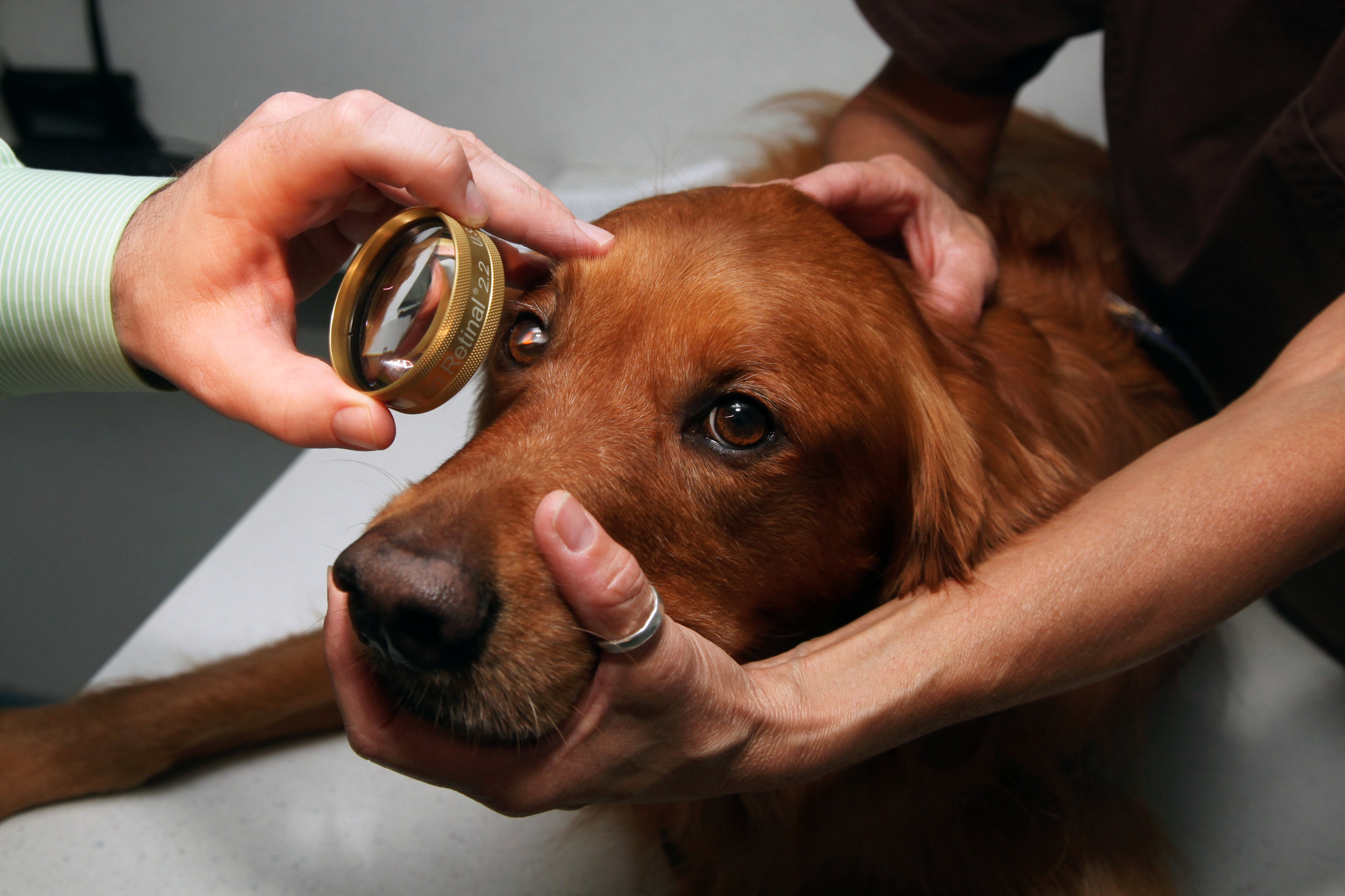
The College of Veterinary Medicine at the University of Missouri plays a significant role in Missouri’s animal agriculture and public healthcare. The program is a two-year professional program that provides students with hands-on training in a lab-based environment. Graduates receive a DVM degree in the end and can then enter the field with an excellent foundation in animal health, medicine, and other aspects of animal health.
The University of Missouri DVM program includes core rotations, as well research programs. These programs are intended to give veterinarians advanced specialized education and broaden their understanding of the animal business. A program is also available to veterinarians for statewide animal diseases diagnostic services, continuing educational, and extension programmes.
Academic challenges are part of veterinary medicine. Some students engage tutors to help them through difficult assignments. The University of Missouri admissions panel wants students to have emotional intelligence and to be able to deal with academic challenges with poise. The committee also desires applicants to have a genuine interest beyond accepting a position in veterinary medicine.

The MU College Of Veterinary Medicine has a state-ofthe-art nuclear resonance spectrometer, which is one of the most impressive features. This $2.3million machine, only the second such structure in the United States of America, allows scientists three-dimensional views of molecules. MU researchers also use this machine to study interactions between molecules. This information is crucial for understanding the mechanisms of health and disease.
The multi-million-dollar MU Laboratory for Infectious Disease Research offers scientists the ability to study these diseases. The facility is also used to support public health and the nation's efforts in bio-defense. This is MU's most advanced research facility.
MU also boasts a $15.5 million facility for research and diagnostics at the Research Animal Diagnostic Laboratory, located on Discovery Ridge near U.S. Highway 63 south of Columbia. The facility has research-support and diagnostic areas, as well as a teaching and research center. This facility is also home of one the largest university-based reactors for research in the nation.
MU is also home to the nation's first FDA-approved anticancer therapy for dogs. This collaboration is between the MU College of Veterinary Medicine, and the Ellis Fischel Cancer Center of Columbia University. Palladia, an anticancer therapy that was approved by FDA for dogs, is the first. This is just one example of the many inventions that spring forth from the MU College of Veterinary Medicine.
The MU College of Veterinary Medicine is home to more than 4,000 alumni who have made a name for themselves in the animal industry. They are responsible for everything from starting the country's largest animal insurance company to using artificial insemination techniques to save endangered African elephants. The university's mission statement is to discover, educate, and heal. The school's motto is "Service Above Self."
There are many activities and programs available at the MU College of Veterinary Medicine. When applying, applicants will be asked about their interest to volunteer and what impact they hope to have on the veterinary industry. The committee is interested in your career and how your education at MU will help you.
FAQ
How often should I brush my dog?
Grooming your dog will make him happy. It will keep your dog's coat healthy and clean.
You should brush your dog at least twice per week. After each meal, you should brush your dog.
The best way to remove dirt and hair from your dog is to brush his fur. Brushing his teeth will help him look healthier.
Also, make sure to clean his ears.
What are some signs that my pet might be sick?
There are many symptoms that indicate that your dog is sick. You may notice the following symptoms:
-
Vomiting
-
Diarrhea
-
Lethargy
-
Fever
-
Weight loss
-
Reduction in appetite
-
Coughing
-
Difficulty breathing
-
Bleeding from behind the nose
-
Stool or urine contaminated with blood
These are just some examples. Your vet will know what to look out for.
Which size are cats and dogs easier to train?
Both. It all depends upon how you approach training them.
They will learn quicker if you reward them for following the instructions. However, if you ignore them and don't listen to them, they'll begin to ignore you.
There is no right or wrong way to teach your cat or dog. The best way to teach your cat/dog is the one you choose.
Should I get a puppy or a kitten?
It all depends on who you really are. Some people prefer puppies while others like kittens.
However, puppies tend be more active and playful. Kittens tend to be very gentle and sleep a lot.
Both types of animals need lots of attention from their parents. They will quickly grow up and will require lots of care.
Regular medical checks will be required for them. It is important that you take the time to take your pet to the vet.
What are the responsibilities and responsibilities of pet owners?
A pet owner must be devoted to their pet. They must ensure that their pet has all the basic needs met, including shelter, water, and food.
They must also teach their pets how to behave. You should never neglect your pet.
He should also be responsible enough and able to take care of it.
What are my considerations before I get an exotic pet?
There are several things to consider before you buy an exotic pet. It is important to decide if the animal will be kept as a pet, or if it will be sold for profit. If you are keeping the animal as your pet, ensure that you have enough space. You also need to know how much time you'll spend caring for the animal. It's not easy to care about an animal. But it's well worth it.
You must find someone to purchase your animal if you intend to sell it. You must ensure that the person purchasing your animal knows all about taking care of them. You should not feed the animal too often. This could cause problems for your animal's health later.
You should research every aspect of exotic pets before you buy them. Numerous websites offer information on different types of pets. You should be careful not to fall for any scams.
Statistics
- It's among a relatively few companies that provide policies with a full (100%) coverage option, meaning you are not responsible for any co-payment of bills. (money.com)
- Pet insurance helps pay for your pet's medical care, with many policies covering up to 90 percent of your vet bills. (money.com)
- Monthly costs are for a one-year-old female mixed-breed dog and an under one-year-old male domestic shorthair cat, respectively, in excellent health residing in Texas, with a $500 annual deductible, $5,000 annual benefit limit, and 90% reimbursement rate. (usnews.com)
- In fact, according to ASPCA, first-year expenses can sum up to nearly $2,000. (petplay.com)
- A 5% affiliation discount may apply to individuals who belong to select military, law enforcement, and service animal training organizations that have a relationship with Nationwide. (usnews.com)
External Links
How To
The best way for a dog to learn where it should go to urinate is by teaching him.
It's essential to show your pet how they should use the toilet. It is also crucial to be able to teach them how to behave if they decide to go outside on their own. Here are some tips that will help you teach your dog the correct way to go to the bathroom.
-
It's important to begin training as early as possible. Get started now to prevent accidents during playtime
-
Food rewards are a good idea. It will increase your chances of success if you reward your pet for each successful trip to a potty.
-
Your pooch's area of peeing should be kept away from treats. This could lead to your dog identifying urine smell as his favorite treat.
-
Before you let your dog out, ensure that there isn’t another animal nearby. Dogs who see their owners relieve themselves may believe it is normal.
-
Be patient. Sometimes it might take your puppy longer to understand things than an adult.
-
Your dog should be able to smell everything before she can go in the bathroom. If she can smell the toilet, she will learn more quickly.
-
You should not let your dog use the toilet next to you while you're doing other things. This could cause confusion.
-
Wipe down the toilet seat and floor after you're done. These areas will act as a reminder of what to do later.
-
All messes should be cleaned up immediately. You should immediately clean up an accident. If he doesn't, he may try again to relieve himself.