
Veterinary assistant programs in North Carolina are among the fastest growing professions in the state. These professionals can perform a variety of tasks. One typical job is to assist veterinarians and technicians at animal hospitals. They provide assistance to veterinarians and technicians in animal hospitals.
North Carolina veterinarian assistants earn an average salary in the region of $26,250 annually. There are differences in the salary depending on where the practice is located and the skills of each assistant. Those with certification are paid higher. Pet owners are adopting more pets, which means that there is a greater demand for veterinary care.
There are many educational options available for veterinary assistants. Some programs are offered online, while others are held in community colleges or adult learning centers. It is best that you can learn at your own pace. A veterinary technology associate's diploma is also possible. You can also apply for an externship at a veterinary clinic. This will enable you to gain practical experience which will be a competitive advantage when applying for jobs.

Veterinary assistants are essential to animal healthcare facilities. Their primary function is to reduce the workload for the veterinary team. They must be properly trained to do this. North Carolina has several approved training programs for vet assistants. The courses are intended to help students become trustworthy and professional with animals. These individuals must receive real-time instruction in how to handle animals.
Veterinary assistants are the first line of contact for pet owners. Their responsibilities include performing animal restraint and taking radiographs. While there is no formal education required, some veterinary facilities suggest that their assistants have a high school diploma.
You can work as a veterinary assistant in many different settings such as full-service clinics, boarding or grooming facilities, and rehabilitation centers for wildlife. Private veterinary practices, pharmaceutical companies and research facilities are some of the most prominent employers of veterinary medicine techs.
A veterinary assistant is trained in the anatomy, physiology, and treatment of small animals. They are also skilled in the use of medications to treat animals. The veterinary assistant is trained to provide emergency care for sick animals, and also learn about the human-animal relationship.
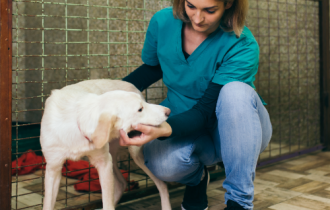
After completing a veterinary assistant program in North Carolina, graduates can take the Approved Veterinary Assistant (AVA) exam, which is provided by the National Association of Veterinary Technicians in America. AVA designation can open doors to more job opportunities.
The number of North Carolina vet assistants is expected to increase by 19% in the coming years. According to Bureau of Labor Statistics, 51.700 new jobs in veterinary care will be created within the next five years. Veterinary assistants rank among the top-growing professions in the United States.
FAQ
Consider these things when you are considering getting a pet.
You must first consider what kind lifestyle you wish for yourself, your family, and your friends. Do you have children? If yes, how many? How old are they now Are there any special dietary requirements for them?
Are you concerned about allergies? Is there anything else you need to know about your pet?
Once you've answered these questions, think about whether you're looking for an active companion, a quiet lap dog, a house-trained cat, or perhaps a fish tank full of tropical fish.
If you are thinking about adopting a puppy, be sure to go to a shelter or rescue group to get to know them.
You should also check to see if the animal is vaccinated for rabies and other diseases.
The owner should also be asked if the animal will be taken care of while you're away. This way, you won't have to worry about leaving your pet at home alone.
Remember that pets are part your family. If you don't like them, you shouldn’t adopt them.
How much should I spend to get a pet?
Budget between $200-$300 per calendar month.
However, this varies depending on where you live. In New York City for instance, the average monthly spending would be $350.
In rural areas, however, you might only need to spend $100 per month.
It's important to remember that you should buy quality items such as a collar, leash, toys, etc.
Consider purchasing a crate for your pet. This will keep your pet safe when he is being transported.
Should I spay/neuter/neuter my dog or not?
Yes! It is important to spay and neuter your dog.
It reduces the number of unwanted dogs in the world and also lowers the chance of developing certain diseases.
Female dogs are more likely to get breast cancer than male dogs.
The risk of testicular tumors is higher in males and females.
Your pet's spaying and neutering will also stop her having babies.
How long can a dog be kept indoors?
Dogs are naturally curious. Dogs require an outlet for their curiosity. They can become destructive if they don't have an outlet. This can cause damage to property and injuries to people.
A leash should always be worn by dogs when they are outside. They can explore their surroundings safely while being kept in check.
He will be bored and uninterested if you keep him indoors all day. He may start to chew furniture and other objects. His nails may grow too long, which could lead to health issues.
The best way to prevent these negative consequences is to let your dog run free at least once daily. You can take your dog for a walk in the neighborhood, ride in the car or to the park.
This will allow him to burn energy and give him something useful.
Statistics
- Pet insurance helps pay for your pet's medical care, with many policies covering up to 90 percent of your vet bills. (money.com)
- Reimbursement rates vary by insurer, but common rates range from 60% to 100% of your veterinary bill. (usnews.com)
- For example, if your policy has a 90% reimbursement rate and you've already met your deductible, your insurer would pay you 90% of the amount you paid the vet, as long as you're still below the coverage limits of your policy. (usnews.com)
- It's among a relatively few companies that provide policies with a full (100%) coverage option, meaning you are not responsible for any co-payment of bills. (money.com)
- It is estimated that the average cost per year of owning a cat or dog is about $1,000. (sspca.org)
External Links
How To
How to teach a Cat To Use The Litter Box
While litter boxes can help reduce your pet's waste, they may not work well for cats. They may find it difficult for cats to use, as they might end up getting too comfortable or wrong.
Here are some tips to help you ensure your cat uses the litterbox with the greatest success.
-
The box should have enough room for your cat to stand straight inside the box without having them crouch.
-
Place it in a place where your cat is most likely to be outside. If that doesn't happen, you can try placing it in a room with an outside door.
-
Give your cat water as often as possible while he goes through his usual routine of toilet breaks. It will also help to keep him hydrated and less stressed about the box.
-
You should avoid sudden movements and noises, especially if your cat is already used to being outside.
-
Once he is comfortable with the idea, you can reward him with praise for using the box correctly. You might also consider offering treats to your client, but only after you've completed your business.
-
You shouldn't force your cat to use the litter box.
-
Be patient! You may need to wait several weeks before your cat begins using the box. Don't be discouraged if it takes longer than you expected.
-
You should immediately contact your veterinarian if your cat is acting aggressively towards people or other animals. This could be a sign of a serious condition such as a kidney disease or infection in the urinary tract.
-
Remember to clean up after your cat every day, including around the box.